
Sometimes leadership begins with stepping outside our comfort zones together.
“...to equip his people for works of service, so that the body of Christ may be built up.”
Ephesians 4:11–12
In Part 1, I wrote about the heart of a shepherd—why I believe Christian leadership begins with caring.
But caring for people is only the beginning.
At some point, caring means helping people grow.
And that is where I have learned that Christian leadership is not simply about managing tasks, running programs, or making sure things get done.
It is about equipping people.
The Biblical Principle: Equip People for the Work
One Scripture that has become especially meaningful to me in understanding leadership is Ephesians 4:11–12:
“...to equip his people for works of service, so that the body of Christ may be built up.”
I love the word equip.
Because equipping means I am not supposed to do everything myself.
My role as a leader is not to become the person everyone depends on for everything. My role is to help people become equipped to do what God has called them to do.
That changes the questions I ask.
Instead of only asking, “How can I get this done?” I begin asking: “Who can I develop?” “Who can I equip?” “What does this person need in order to grow?”
The work of a Christian leader is not simply to do the work. It is to equip others for the work.
You Can't Develop People From a Distance
As my leadership responsibilities grew, I realized something very quickly:
If I wanted to develop people, I had to know them.
Not just their job descriptions or what they were responsible for. I needed to know their strengths, their personalities, their fears, their dreams, their struggles, and sometimes even the potential they didn't yet see in themselves.
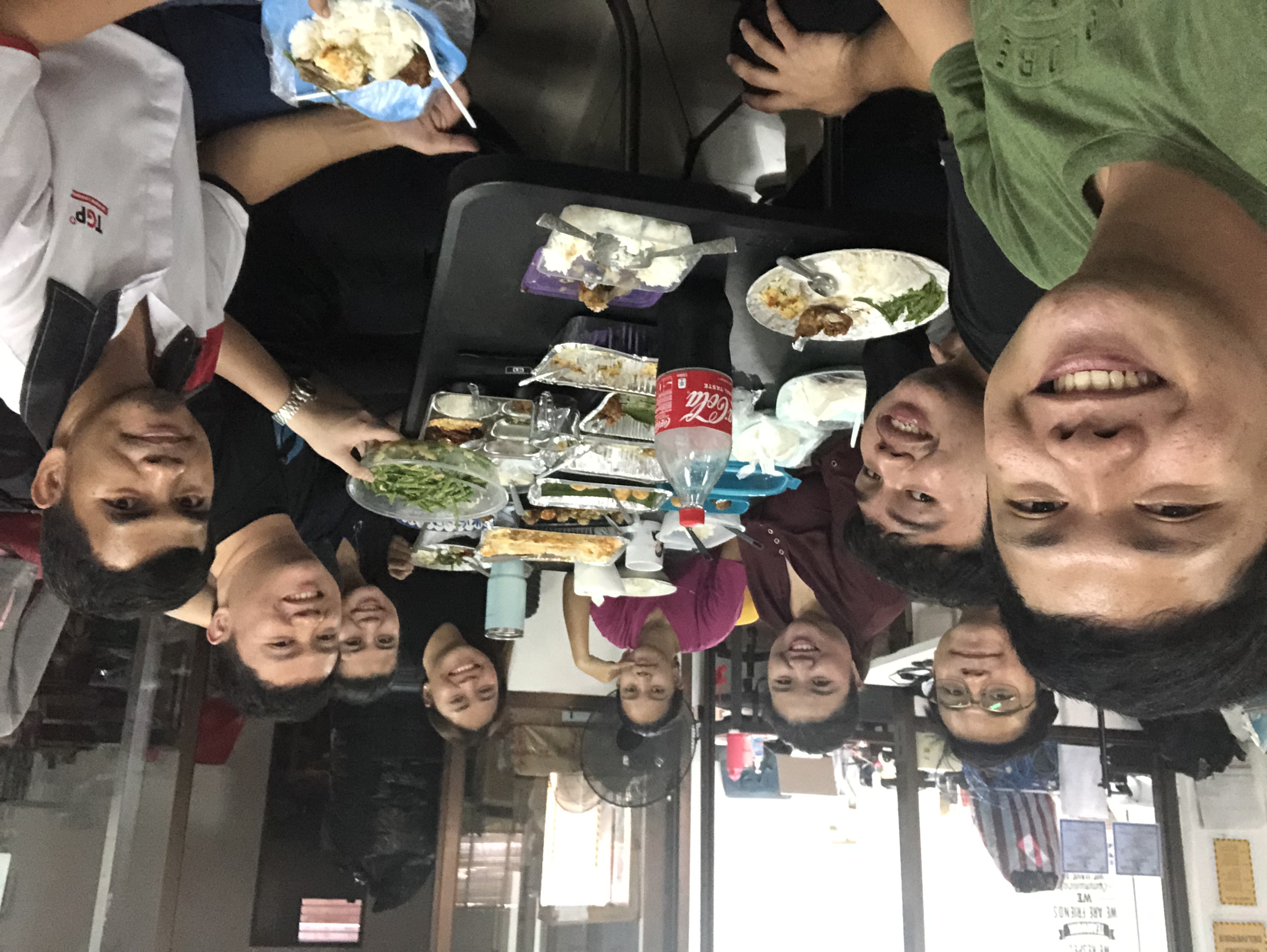
When you are equipping people, your leadership position should never become a barrier to relationship. Sometimes developing people begins with simply sitting at the same table.
And that takes time.
You cannot develop a person simply by giving instructions, assigning a task, and checking whether it was completed.
You have to sit with them. Talk with them. Listen. Ask questions. Watch how they work.
And sometimes, you simply have to walk alongside them long enough for them to discover what God has already placed inside them.
A task can be checked off. A person is still becoming.
From Doing It Yourself to Developing Someone Else
When a team is small, it is tempting to simply do things yourself.
It's faster. You already know how you want it done. You don't have to explain everything.
But if you continue doing everything yourself, you may accomplish the task—but you haven't developed anyone.
As my teams grew, I had to learn that my role could not remain the same. I had to develop second-level leaders. I had to trust other people with responsibility. I had to teach. I had to coach. And eventually, I had to step back.
Sometimes it is easier to do something yourself than to take the time to teach someone else how to do it.
But leadership is about building people.
What John Maxwell Taught Me About People
There was another influence on how I began to see leadership.
When I was in college, I started reading John Maxwell's books, particularly Developing the Leader Within You and later Developing the Leaders Around You.
Those books made a huge impact on me—not simply because they taught me about leadership, but because they changed the way I looked at people.
I began to realize that leadership was not about being the best person in the room. It wasn't about proving that I knew more. And it certainly wasn't about competing with people who were more talented, more experienced, or better than me in certain areas.
I don't have to compete with someone's strength. I can collaborate with it.
There will always be people who are better than me at something. Someone may communicate better. Someone may be more organized. Someone may be more creative. Someone may have stronger technical skills.
Instead of seeing those strengths as a threat, I can see them as something I can celebrate and learn from.
Leadership Is Collaboration, Not Competition
That perspective has stayed with me throughout my leadership journey.
I want people around me who are gifted. People who challenge me. People who see things I don't see. People who can do things I cannot do.
Because when we bring those different strengths together, something bigger can happen.
Leadership is not competing with other people. It is collaborating with the strengths of other people.
I don't want to build a team that simply follows me. I want to build a team where people bring their God-given gifts to the table—and where we become stronger because we have one another.
Giving People Room to Lead
I have learned that when you give someone responsibility, you also need to give them room.
You cannot tell someone, “I want you to lead,” and then stand over their shoulder correcting every decision. That's not really leadership development. That's control.
I've been blessed to experience leaders who trusted me enough to give me responsibility without constantly looking over my shoulder. They were available when I needed counsel. They corrected me when necessary. But they allowed me to grow.
People grow when they are trusted.
Trust does not mean there are no boundaries or accountability. It means you believe someone is capable of growing into the responsibility you have given them.
Correction Is Also Caring
We often talk about encouraging people. And yes, encouragement matters.
But shepherding is not only about making people feel good. A shepherd also corrects.
There have been times when I needed to have difficult conversations with people I was developing. Sometimes I had to point out something they needed to change. Sometimes I had to challenge their thinking.
Those conversations are uncomfortable. But if I genuinely care about someone, I cannot simply tell them what they want to hear.
Sometimes love has to tell the truth.
Correction should not come from a desire to prove that I am the leader. It should come from a desire to help the person grow.
Learning Together
The more I lead, the more comfortable I have become with not knowing everything.
There will always be people who know more than me in certain areas. Some will have more experience. Some will have stronger technical skills. Some will have gifts that I don't have.
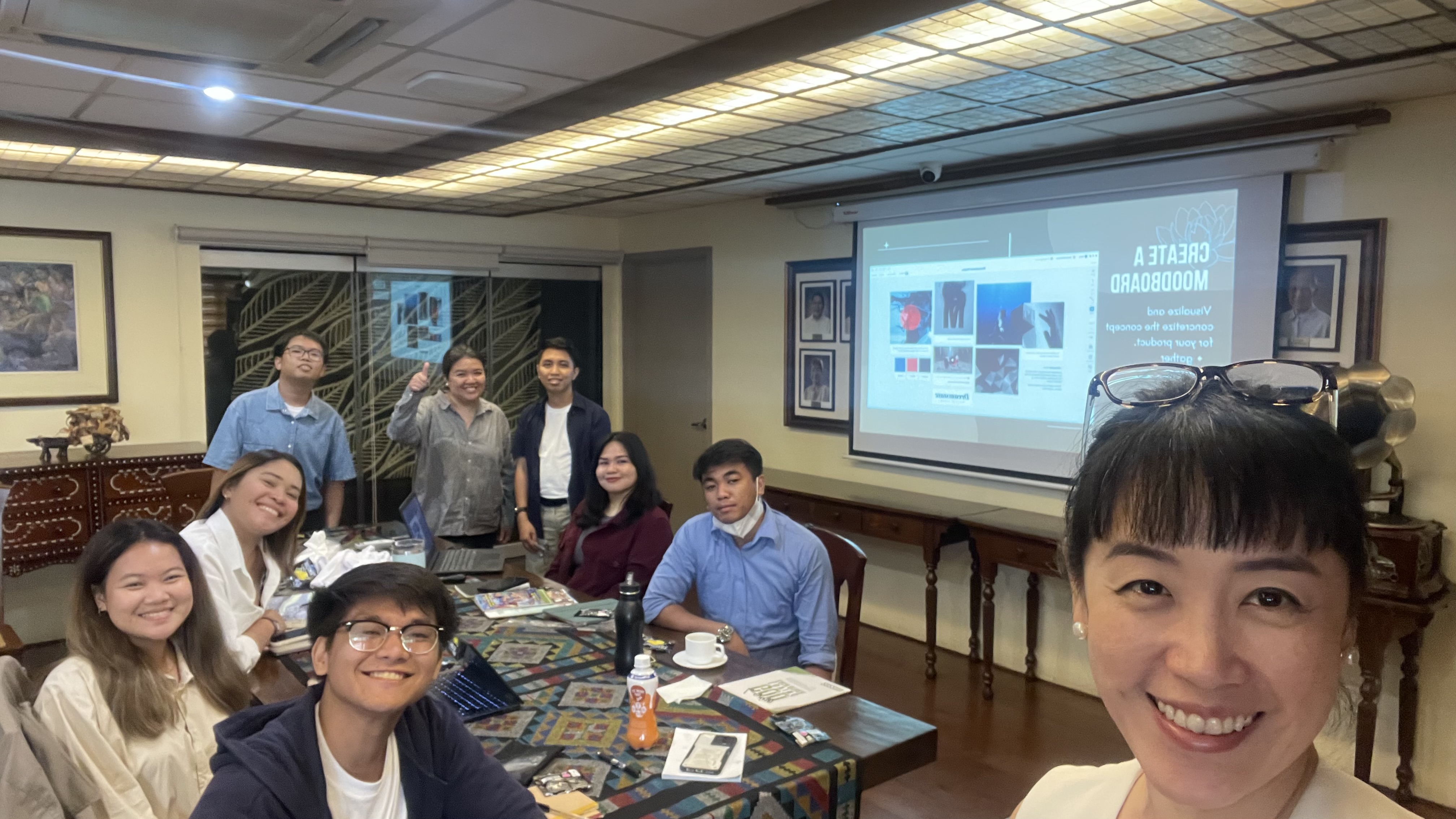
Sometimes leadership means sitting in the room with everyone else and saying, “Let's learn.”
I don't need to compete with them. I need to learn from them.
There have been many times when I have brought my team together to learn from someone with expertise that we didn't have. And I didn't sit there as though I had all the answers. I learned with them.
Leadership doesn't mean you stop being a learner. Sometimes the best thing a leader can do is say, “I don't know. Let's learn together.”
When I create space for someone else's expertise, I am not losing my place as a leader.
I am equipping my team.
Let People Grow Through the Process
Some of the most memorable teams I have led were not necessarily the teams that had everything figured out.
During the pandemic, I had a small team that stepped into something completely new. We were working on a business enterprise, and honestly, none of us had all the answers.
We were learning as we went.
But what I remember most was that they were willing to move beyond their comfort zones.
They could have said, “This isn't what we know how to do.” Instead, they responded. They learned. They served.
We were all learning. What mattered was that we were willing to step outside our comfort zones and serve.
I see people who were willing to grow.
You don't wait until people feel completely ready. You give them an opportunity, walk alongside them, provide support, and let them discover what they are capable of doing.
We were all learning. I was learning too.
I don't always lead from a place of having all the answers. Sometimes I lead by learning alongside the people I'm leading.
Building a Team Around Strengths
Sometimes developing people begins with putting the right people in the same room.
There was a season when I brought together a group of young workers to form a new creatives team.
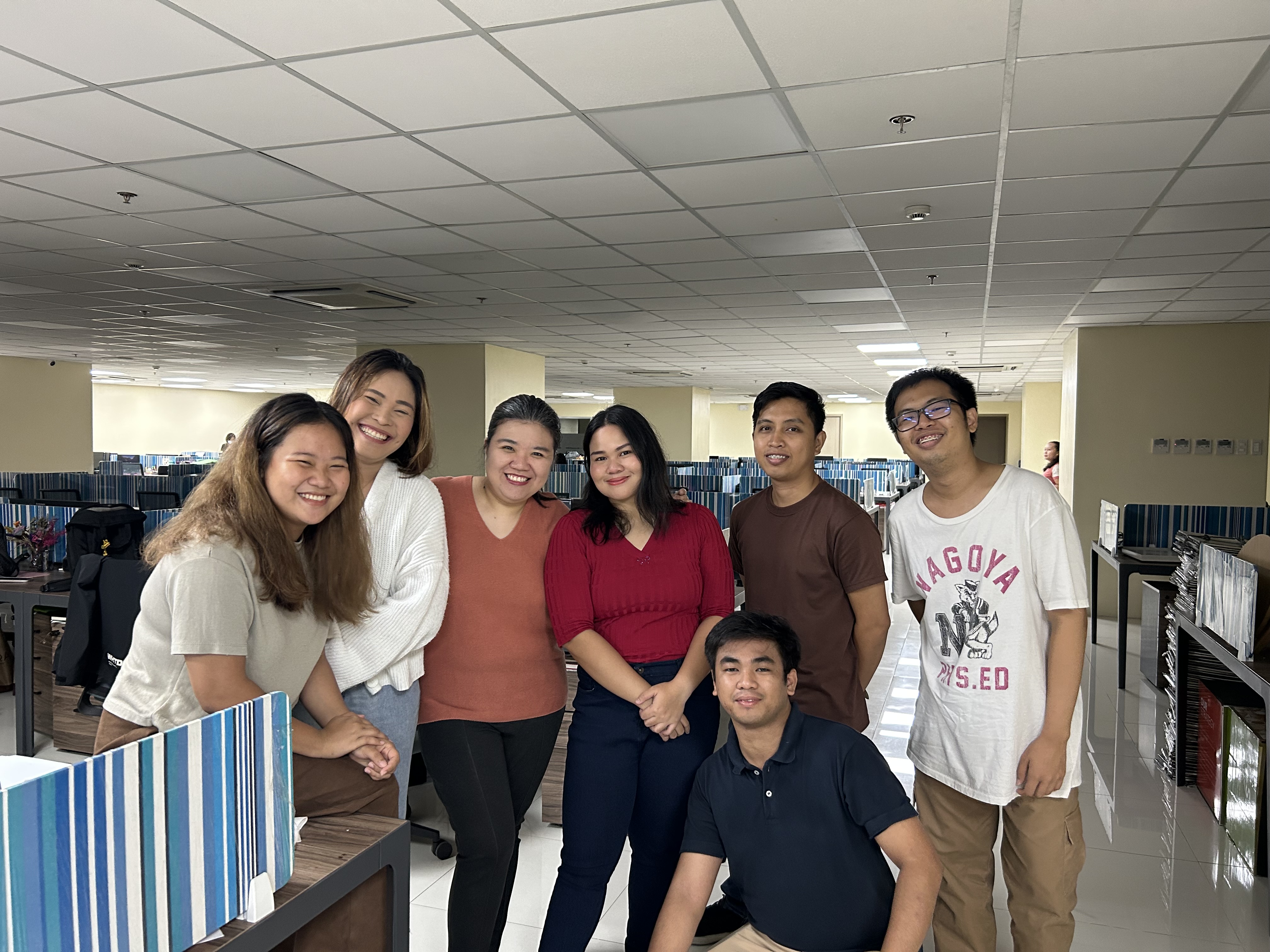
Different gifts, one mission: creating beautiful stories for the ministry.
They came from different backgrounds and had different strengths. They were not all doing the same thing, and they didn't need to.
What I saw was an opportunity to bring those strengths together and give them a common purpose: to create beautiful stories that would help communicate the ministry's work.
I wasn't looking for people who were exactly like me. I was looking for people who could bring something different.
One might see the story. Another might know how to tell it visually. Another might understand design. Another might bring a fresh perspective.
And when those strengths came together, something happened that one person could not have created alone.
That is the beauty of a team.
Their Success Is My Success
I have said this many times when developing people:
Their success is my success.
Not because I want credit for what they accomplish. Actually, quite the opposite.
I want them to become good leaders. I want them to become confident. I want them to discover their gifts. I want them to develop other people. And eventually, I want them to be able to do things without me.
One of the people I have had the privilege of developing is Usella.
For about a year, much of our work together happened virtually. We met through a screen, talked, planned, encouraged one another, and built a relationship even though we were in different countries.

For a season, our leadership relationship happened through a screen—but the relationship was real.
Then she passed the teachers board exam.
I was genuinely overjoyed for her.
When we finally met in person, the happiness was almost impossible to contain. We laughed, hugged, and celebrated together.
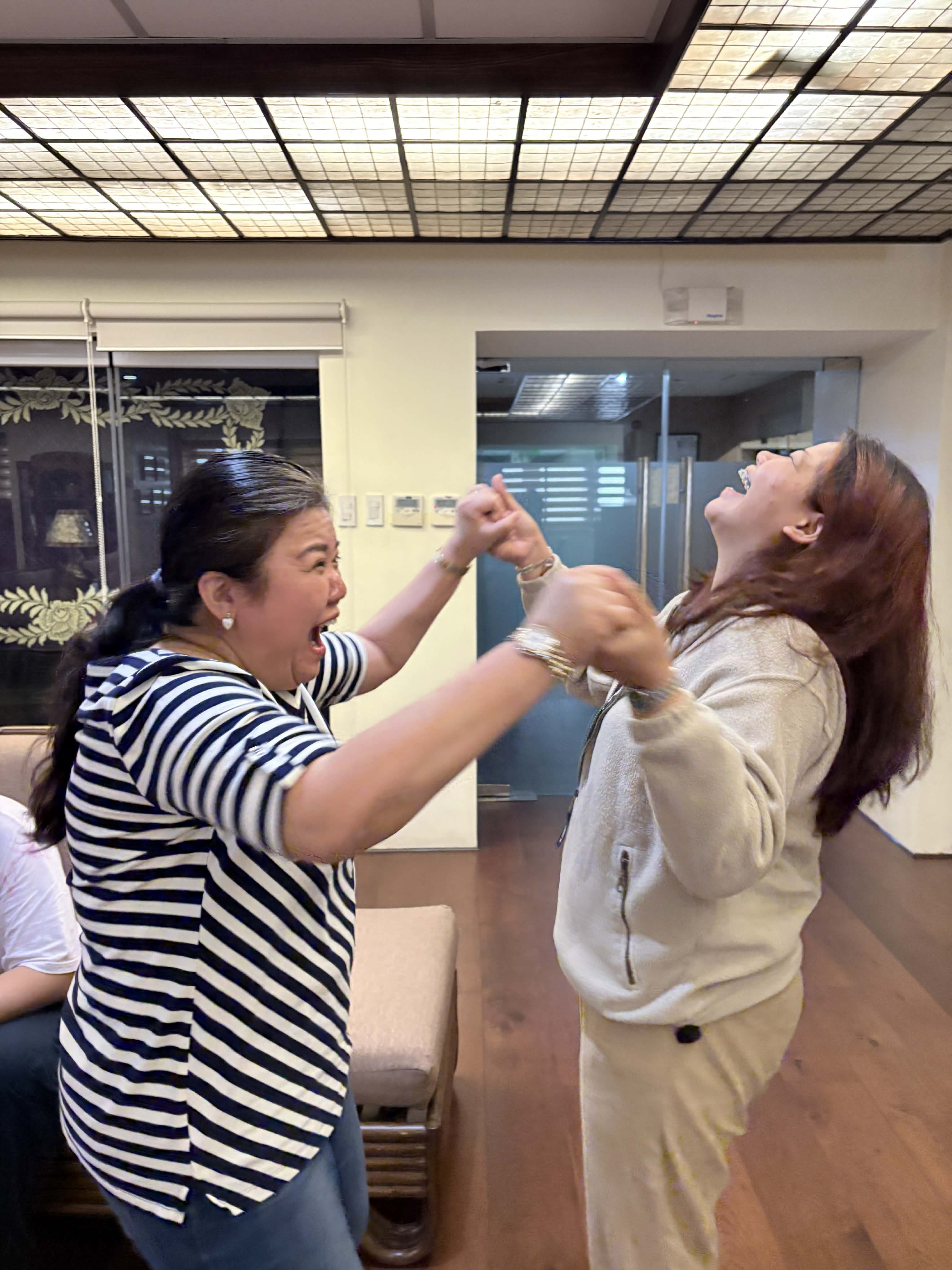
After a year of leading virtually, we finally met in person—and got to celebrate her success together.
Looking at those spontaneous photos now, I realize that I wasn't simply celebrating an exam result.
I was celebrating her.
Her hard work. Her growth. Her perseverance. And what God was doing in her life.
But what makes me even happier is what she continues to do with what she has been given.
Today, Usella continues to serve young people living on the streets. She helps them learn basic literacy and values formation. But beyond teaching, she becomes something they may desperately need—a big sister who listens, cares, encourages, and shares the love of Christ with them.
That is what makes leadership development meaningful to me.
It is not simply about helping someone achieve something for themselves. It is about helping people become equipped so that they can pour into others.
I invested in her for a season. Now she is investing in someone else.
And perhaps that is the real measure of leadership—not how many people we lead, but how many lives are touched because someone we invested in decided to invest in others.
I wasn't celebrating what I had done. I was celebrating what God had done in her—and what He is continuing to do through her.
Leading From Behind
There are seasons when a leader needs to be in front. There are seasons when a leader needs to walk beside people. And there are seasons when a leader needs to move behind them.
I learned this especially while developing younger leaders.
There comes a point when constantly stepping in is no longer helpful.
Sometimes I would gather a team, encourage them, pray with them, or provide guidance—but then I would allow the person I was developing to actually lead.
I was still there. I was still available. But I didn't have to be the one in front.
That is a different kind of leadership.
It is quieter. It doesn't always get noticed. And sometimes it requires you to resist the temptation to step in.
But if I always have to be the one leading, then perhaps I haven't really developed a leader.
The Goal Is Not Dependence
Perhaps one of the most important things I have learned is this:
The goal of leadership is not to make people dependent on you.
If everyone has to come to me for every decision, every problem, and every solution, then I haven't really equipped them.
We equip people for works of service. We help them grow so they can contribute, serve, lead, and eventually help equip others too.
That is multiplication.
One leader develops another. That leader develops someone else. And the work continues beyond the original leader.
People Are Not Projects
This is where I have to remind myself again that developing people takes time.
Sometimes I wish growth could happen faster. I like coming prepared. I like making good use of time. I like seeing progress.
But people don't always grow according to my timeline.
They have their own stories. Their own seasons. Their own struggles. Their own pace.
So I have learned to ask not only, “What does this person need to accomplish?”
“What does this person need to become?”
That question changes everything.
Because people are not projects.
They are people.
And Christian leadership is ultimately about helping people become more of who God created them to be.
The Work Behind the Shepherd
Looking back, I realize that much of leadership happens in places people never see.
It happens in conversations. In questions. In correction. In prayer. In encouragement. In giving someone another opportunity after they make a mistake. In trusting someone with responsibility. In stepping back. In stepping in when they need help.
And sometimes, it happens simply by staying.
Because shepherding is not just about leading people somewhere.
It is about walking with them while they become who God created them to be.
That takes work. It takes patience. It takes humility. It takes time.
But I have learned that people are worth the investment.
I don't want to look back at my years of leadership and only see programs completed, goals achieved, or tasks checked off a list.
I want to see people who grew. People who discovered their gifts. People who became stronger. People who learned to lead. And people who eventually turned around and helped someone else grow.
That, to me, is the work of a shepherd.
The Principle I Carry With Me
Ephesians 4:11–12 reminds me that leadership is ultimately about equipping people for the work God has given them.
God allows us to be part of someone's journey for a season.
We may not see the entire story. We may not see the full impact. We may never know everything that happens because of a conversation, an opportunity, a correction, or an encouragement we gave.
But we can be faithful with the part God has entrusted to us.
We care for people.
We equip people.
We help them grow.
And then we trust God with what comes next.
That is the work of a shepherd.