Sometimes leadership means knowing when to pass the baton.
“Remain in me, as I also remain in you… Apart from me you can do nothing.”
John 15:4–5
There is a part of leadership that can be especially difficult to learn.
It is knowing when to let go.
Over the years, I have learned that leadership is not about building a following around yourself. It is about preparing people to carry the work forward—even when you are no longer the one carrying it.
People are entrusted to us for a season. Responsibilities are entrusted to us for a season. Even ministries are entrusted to us for a season.
And eventually, we have to be willing to say:
“This is no longer mine to carry. I need to trust God with what comes next.”
Passing the Baton
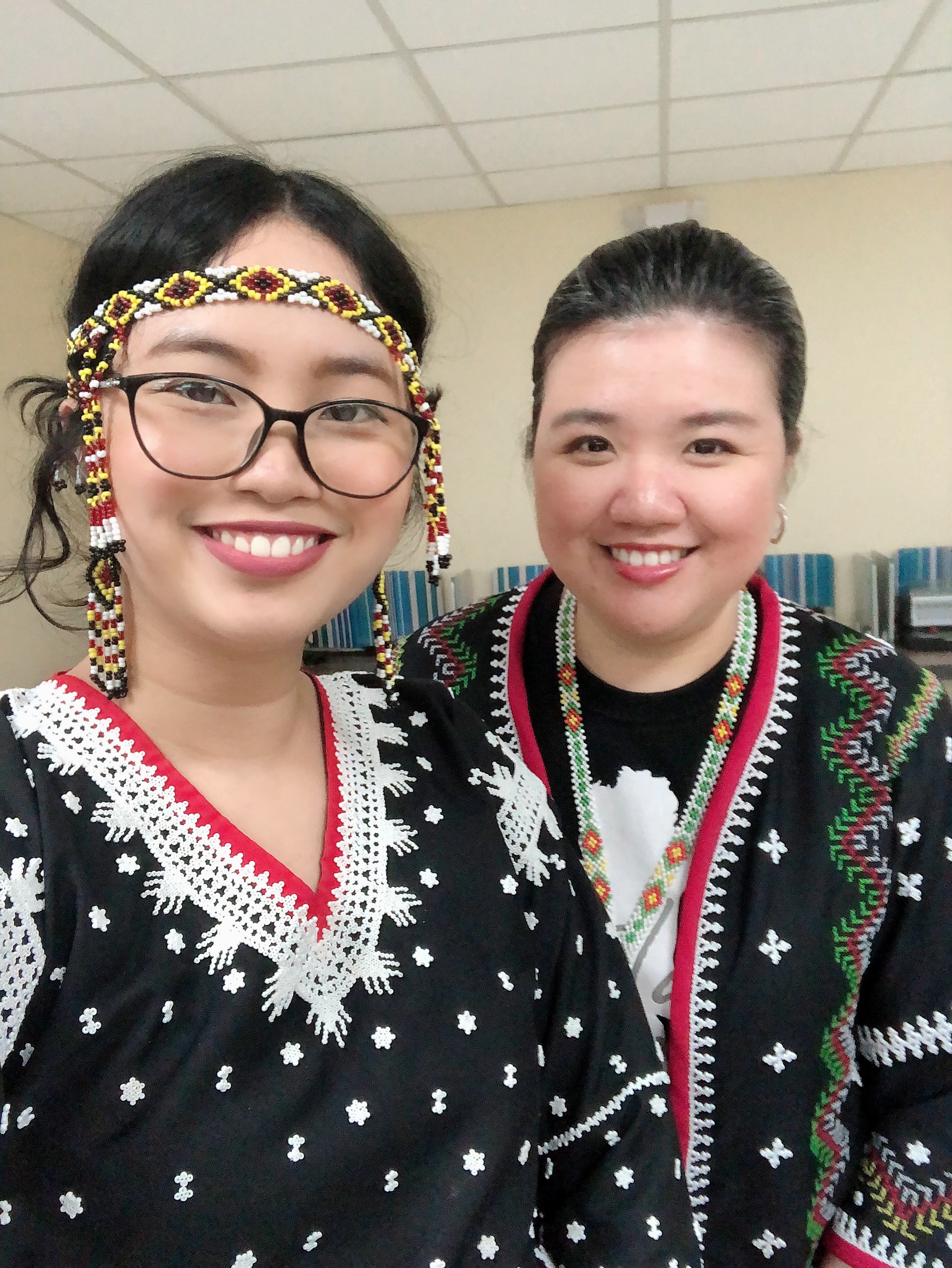
There was a season when I was thinking about who could eventually succeed me. I had certain names in mind, but eventually, I chose to pass the baton to Abigail.
Abigail came into the ministry with a twinkle in her eye—young, vibrant, smart, and passionate. She started in her first role as a Research and Development Officer, and through walking with her, I watched her grow.
Eventually, she became the Executive Director—the role I left just before the pandemic.
Abi is hardworking and excellent in what she does. She taught me that okay is not always enough when we can do something excellently.
I eventually called her my “Kwatro Kid”—my term for someone always aiming for that perfect 4.0.
But beyond her intelligence and excellence, what mattered even more to me was her genuine heart to serve God and people.
I remember one conversation when I challenged her to take the role. She was hesitant, and understandably so. The width and depth of the responsibility were significant.
But I told her:
“If you really want to create change, you need to be in the position of making those tough decisions.”
Change for people. Change for the vulnerable. Change for the organization. And even change in yourself.
Eventually, after prayer, she took the role.
And then she had to lead.
She Didn't Have to Become Me
Abi and I have very different leadership styles.
And that is okay.
She had to find her own way of leading.
Because she was young compared to many of the people she was leading, she worked hard to build important relationships—not simply so people would follow her, but because effective leadership requires trust and respect.

Leadership is not about becoming a copy of the person who came before you. It is about finding your own faithful way to lead.
She had to navigate relationships. She had to make difficult decisions. She had to learn.
And I had to let her do that.
Today, we still have conversations about her concerns. I can listen. I can share what I have learned. I can pray with her.
But I am not there to solve it for her.
She has her own ways and her own approach, and I respect how she navigates them.
That is part of releasing. I can still care without taking control.
Leading Where the People Are
Abi also taught me something about leadership through the way she chose to serve.
She stayed in Mindanao for ten months, where one of VOHCS's tribal schools was located. She wanted to understand the culture, the community, and the people she was serving—and especially the staff she was leading.
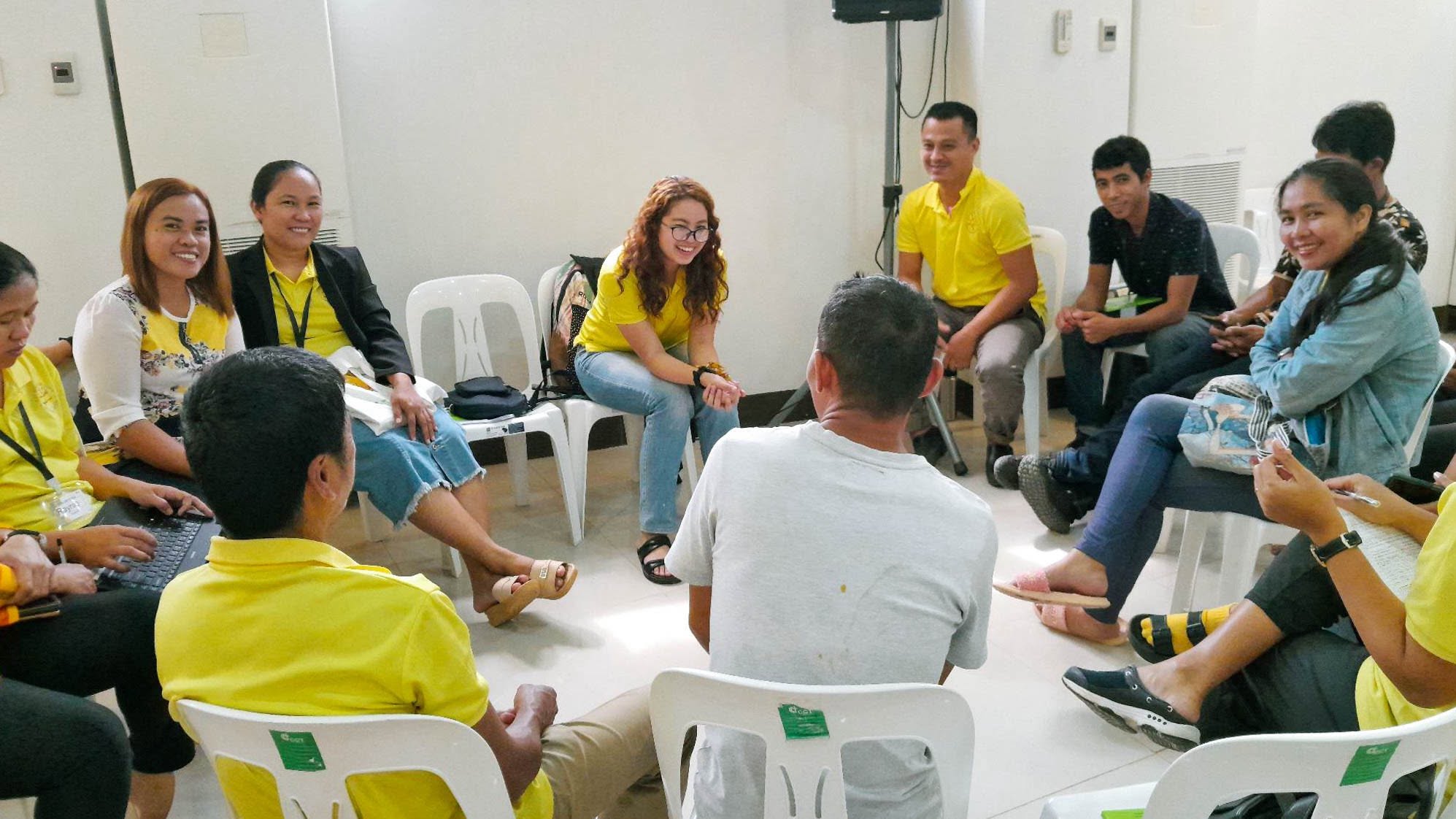
Sometimes leading well means going where the people are, listening, learning, and understanding their context.
She didn't lead that work simply from a distance. She went there, listened, learned, and lived among the people.
Leadership is not only about knowing what needs to be done. Sometimes it means being willing to understand the people and the context before deciding how to lead.
Humility Means I Keep Learning
Releasing someone is only one part of humility.
The other is recognizing that I don't know everything.
One of the dangers of leadership is becoming so comfortable with our experience that we stop learning.
We can become proud of what we have accomplished. We can talk about what worked in the past. We can rely on the years we have accumulated.
But past success is not today's source of strength.
I am not too old to learn.
I am not too experienced to ask questions.
I am not too accomplished to listen to someone else.
I want to keep reading, studying, listening, and learning from other leaders—including those who are younger than me.
Because being a leader does not mean I stop being a learner.
The Living Well
I have learned something else about pouring into people:
A leader cannot give from a leftover. If you want to pour out your heart and impart to others, you need to pour out from a living well. An overflow life.
If I want to continually pour into people, I need to continually allow God to pour into me.
This is why John 15 is so important to me.
For me, this is the secret of Christian leadership.
Abide first. Bear fruit second.
We can gain experience. We can read books. We can attend trainings. We can develop strategies. We can lead organizations.
But ultimately, fruitfulness comes from remaining connected to Christ.
And Jesus doesn't only speak about fruit. He speaks about fruit that lasts—and about joy.
That is the kind of leadership I want.
Not leadership that simply accomplishes something for a season, but leadership that produces something that continues beyond us.
Keep Allowing Others to Pour Into You
I don't ever want to reach a point where I think I have nothing left to learn.
There may be someone younger than me who can teach me something. There may be another leader who sees something I don't see. There may be a book, a conversation, or even a difficult experience that God uses to change the way I lead.
So I want to remain teachable.
Because a living well keeps receiving so it can keep giving.
I want to lead from an overflow—not from leftovers.
Trusting God With the Results
Eventually, we have to release not only people, but also the results.
We can plant. We can water. We can equip. We can give our best.
But we cannot control the outcome.
Paul reminds us:
“I planted the seed, Apollos watered it, but God has been making it grow.”
1 Corinthians 3:6
Sometimes we are only responsible for a particular season in someone's life.
Maybe we plant. Maybe we water. Maybe we encourage. Maybe we challenge.
And then someone else gets to see the fruit.
That's okay.
We don't have to receive all the credit.
Because the work was never ultimately ours.
God gives the growth.
The Humility of a Shepherd
When I think about Christian leadership, I come back to this:
We care for people.
We equip people.
We develop people.
We release people.
And we trust God with what comes next.
But while we are pouring into others, we must also remain connected to the One who pours into us.
We keep learning.
We keep listening.
We keep growing.
We keep allowing other leaders to pour into our lives.
And above all, we abide in Christ.
Because the shepherd is not the source.
The Shepherd is.
“Remain in me… Apart from me you can do nothing.”
John 15:4–5
Perhaps that is the humility of a shepherd:
To lead faithfully, release willingly, keep learning, remain in Christ, and trust God with the fruit.